Parenting in the AI Era: Becoming Your Child’s Digital Co-Pilot — Parents’ Lecture at Kiangsu-Chekiang College (Shatin)
Kiangsu-Chekiang College (Shatin) invited YADA Executive Director Mr. Wai Yuen-keung to address parents on “Parenting in the AI Era: Becoming Your Child’s Digital Co-Pilot”. Drawing on the AI Literacy Framework, the lecture explored the new parenting challenges AI brings and the practical ways families can respond.
- Date
- Venue
- Kiangsu-Chekiang College (Shatin)
- Speaker
- 魏遠強(YADA行政總監)
- Host
- Kiangsu-Chekiang College (Shatin)
- Series
From the session
Lecture content
Parenting in the AI Era: Becoming Your Child’s Digital Co-Pilot
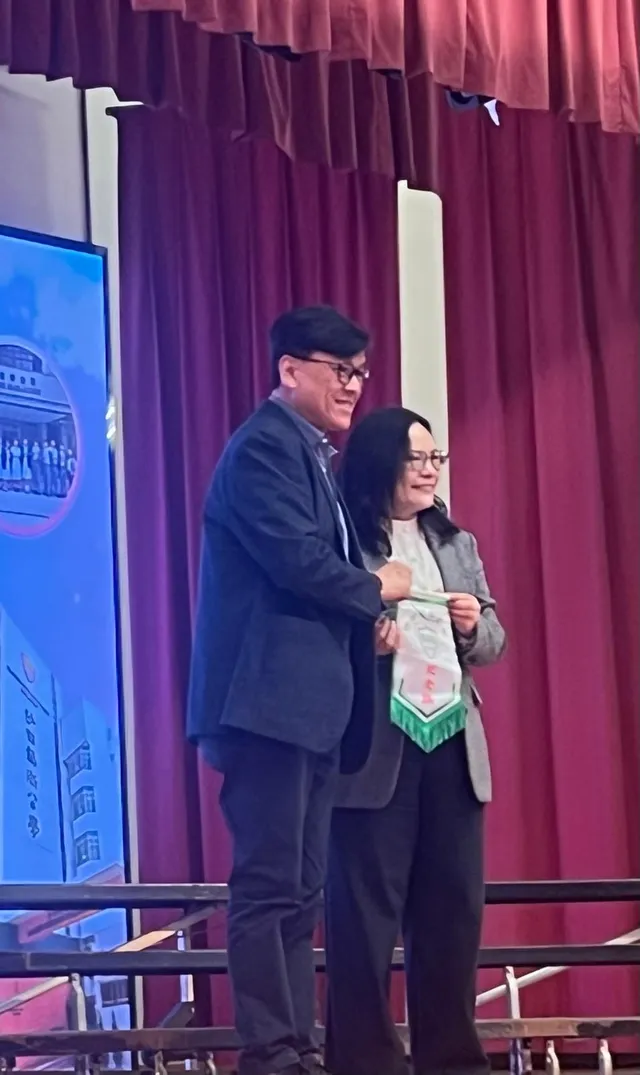
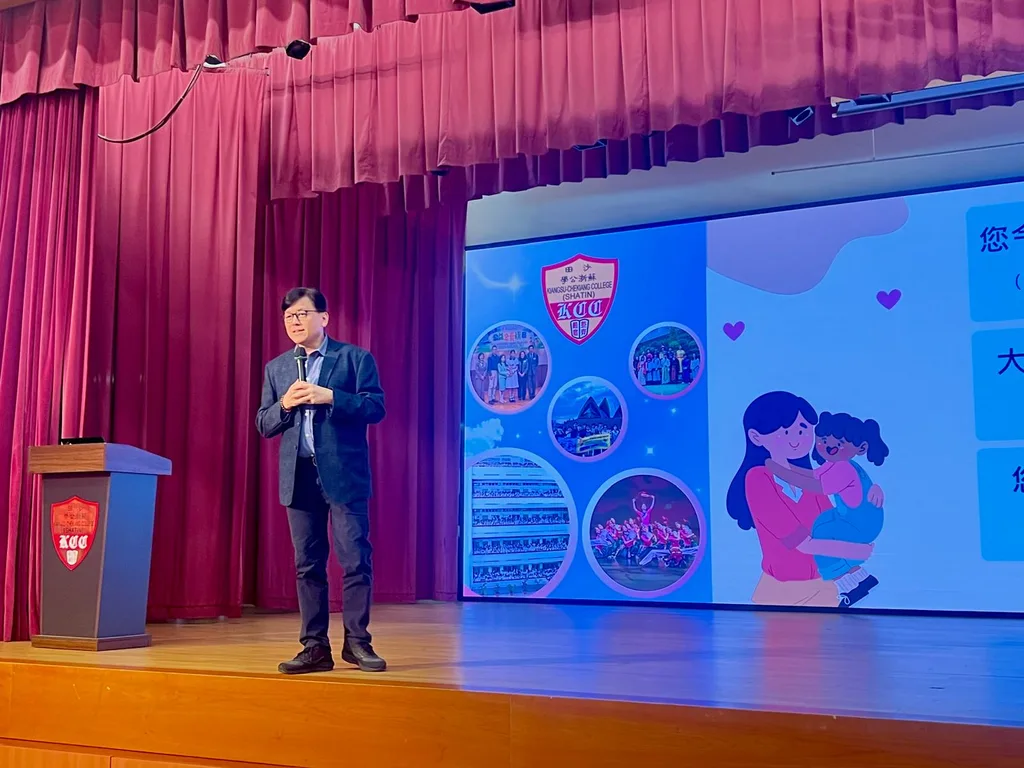
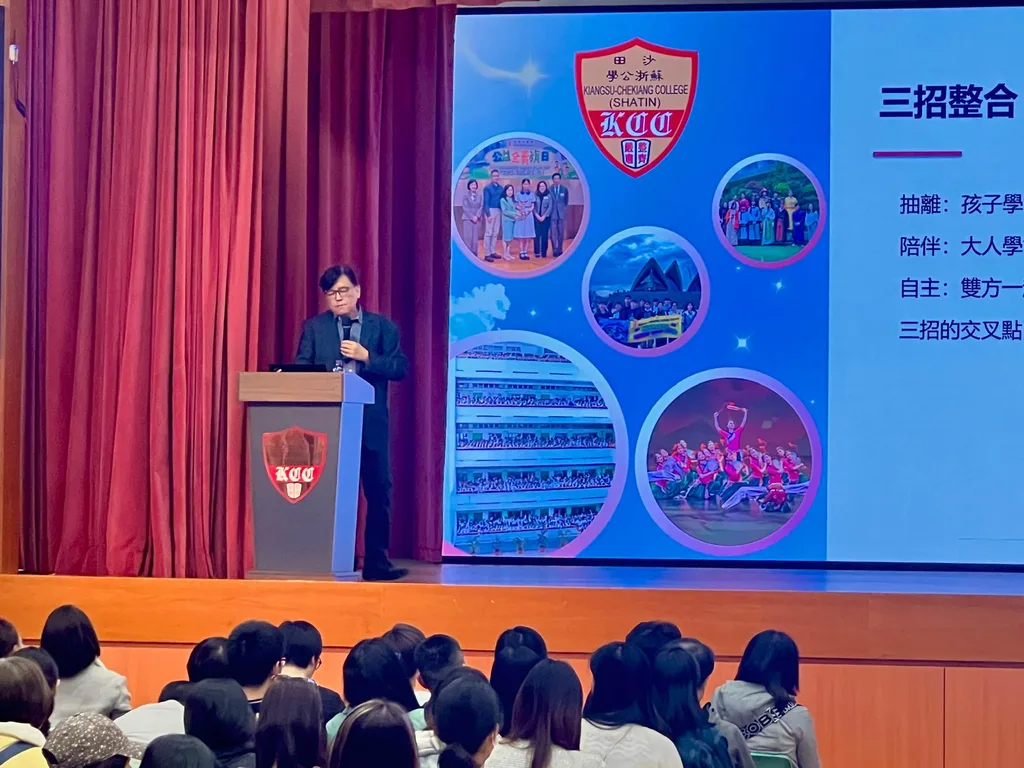
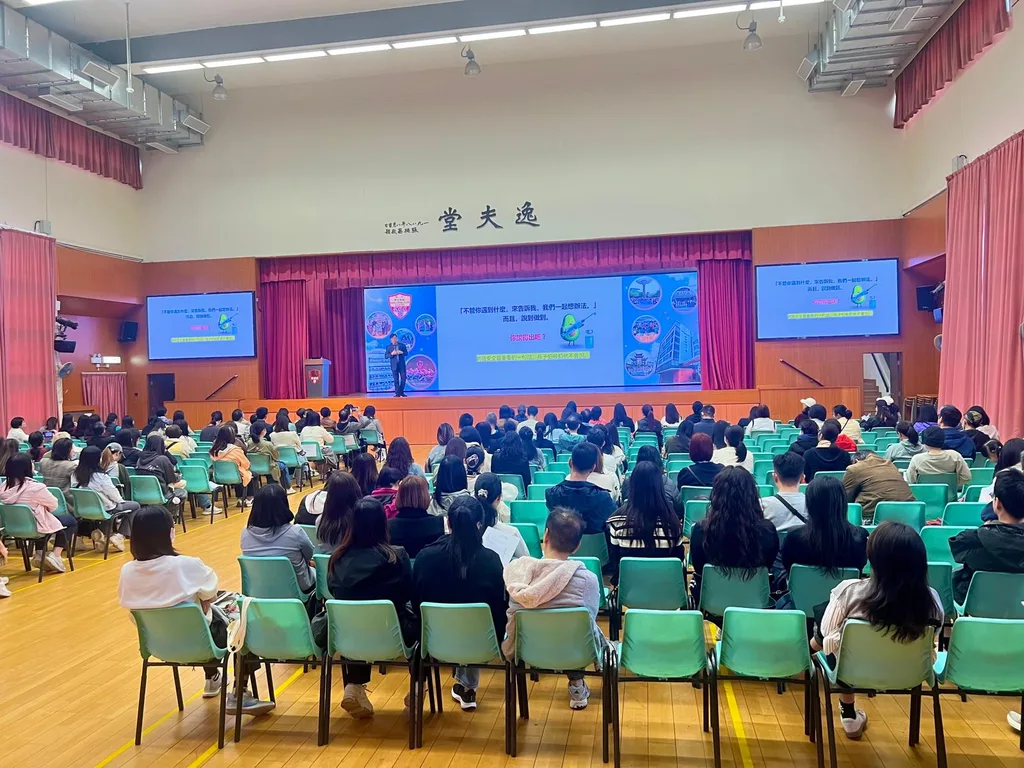
21 November — Kiangsu-Chekiang College (Shatin), parents’ lecture: “Parenting in the AI Era”.
We are deeply grateful to Kiangsu-Chekiang College for the invitation that allowed us to share the lecture “Parenting in the AI Era: Becoming Your Child’s Digital Co-Pilot” with so many parents. The response was enthusiastic — parents kept raising their phones to take photos — which shows that the new parenting challenges AI brings to the family are genuinely close to home. Drawing on the “AI Literacy Framework”, we explored several key ideas and practical suggestions with the audience.
First, we need to understand AI’s “confidence” and its “hallucinations”. The working principle of a large language model is probability prediction, not genuine understanding. It can produce content that is structurally rigorous and fluent yet completely wrong — this is what we call a “hallucination”. Parents must teach children that a confident tone from AI does not equal factual accuracy, and that critical thinking and fact-checking habits have to be kept.
Second, learning with AI is a double-edged sword. Research shows that over-reliance on AI for homework can lift assignment grades in the short term, but leads to lower examination results in the long run. This is because the brain loses the chance to “struggle with confusion” and to “ruminate”, producing what we call “cognitive offloading”, so that children never build real understanding. AI should assist thinking, not replace it.
Faced with these challenges, instead of confiscating devices or banning AI outright, we suggest that parents become the child’s “digital co-pilot” and adopt a “use it together” strategy. Parents can use AI side by side with their children, discuss which approach helps memory more, and turn the use of AI into a shared family project. At the same time, an open channel of communication is essential. Surveys show that many parents have never discussed AI use with their children. Parenting in the AI era should not be a battle between children and parents; it is something the whole family must face together. Parents can agree a family internet-use charter with their children and put in place a punishment-free route for seeking help, so that children know that when they run into difficulty in the digital world, their parents will always be their strongest support. Let us guide children to make good use of technology together, and equip them with digital literacy and independent thinking that travel with them wherever they go.
Photos from the day
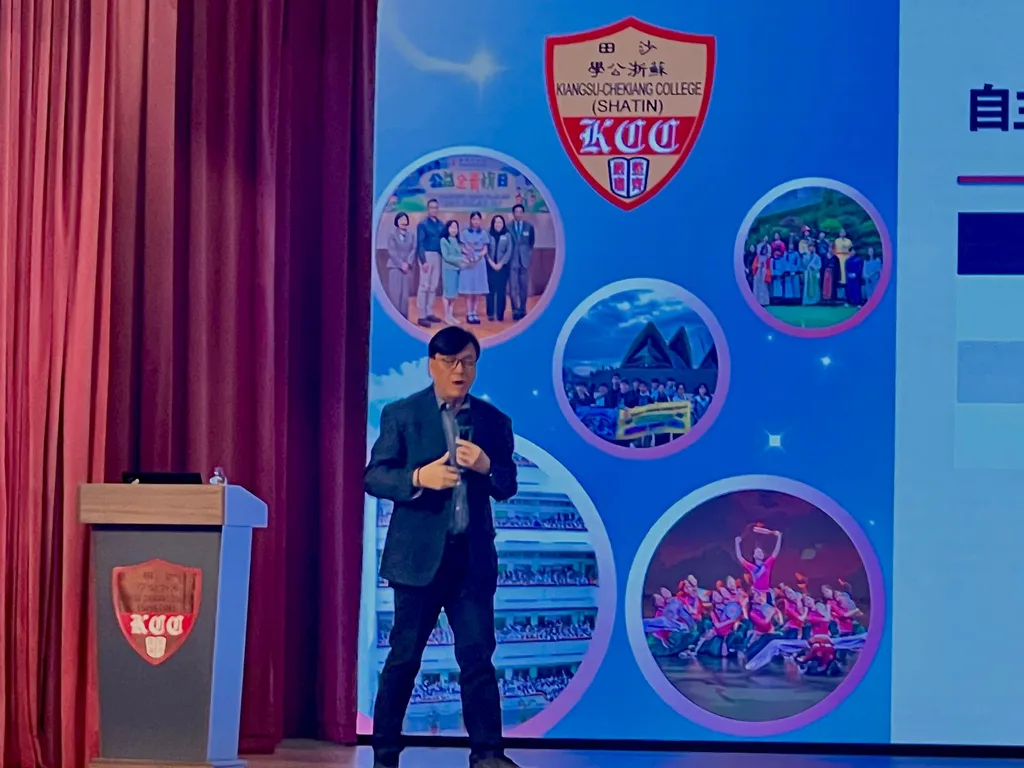
On site at the parents’ lecture at Kiangsu-Chekiang College (Shatin).