
Accompanying children in the AI era to live a healthy digital life.
At the invitation of Principal Lee of Huangpu Xuan Dao Primary School, she shared with parents how to understand the psychological needs underlying children’s screen addiction, and how trust, companionship, clear boundaries, and gradually giving children more independence can help them develop a healthy digital life.
- Date
- Speaker
- 分享者姓名未提供
- Host
- Alliance Primary School, Whampoa
- Series
- Parent sharing
From the session
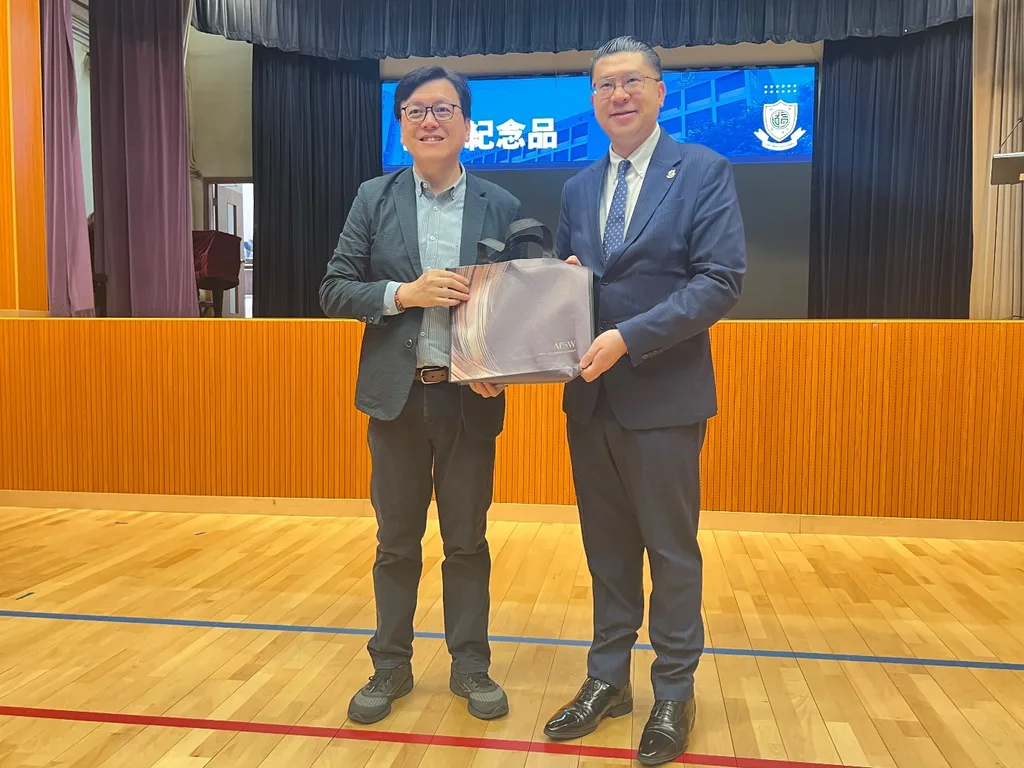

Sharing Context
At the invitation of Principal Lee of Wong Po Hon Anglo-Chinese School, the event, themed “Accompanying Children in Building Healthy Digital Lives in the AI Era,” offered parents an opportunity to share reflections on how to respond to children’s electronic screen use and approach parenting. The school’s dedication to education and parents’ concern about their children’s healthy development created a fitting opportunity for this weekend parenting discussion.
Begin by Understanding What Children Need
A child’s compulsive screen use is often not simply a deliberate act of defiance, but may be a sign that an inner need is going unmet in real life. Through mechanisms such as variable rewards, infinite scrolling, and social validation, screens provide immediate feelings of belonging, autonomy, competence, and fun, filling gaps in the real world. Rather than only asking, “How do I get him to stop?”, it is more worthwhile to ask, “What is he seeking, and how can I provide it?”
Building Parent-Child Trust Through Connection
Heavy-handed controls can easily trigger psychological resistance, lead to secretive behavior, and erode parent-child trust. Parents can build trust through unconditional acceptance, predictability, leading with empathy, repairing relational ruptures, and being fully present, making children more willing to seek help from their family when they need it. The relationship itself conveys an important message, and connection is the starting point for solving problems.
Three Ways to Accompany Children
The first is **